Polymarket shows market prices. Foretrace adds AI probability estimates, opposing evidence and a price-dependent outcome or pass decision for each open market.
Sampled market observations, not AI forecasts. Lines connect available observations. Legend values are current provider quotes; chart points may be older.
These are market-implied probabilities, not AI forecasts. A displayed quote may differ from the price available for your order.
This market is closed. Its historical data remains available.
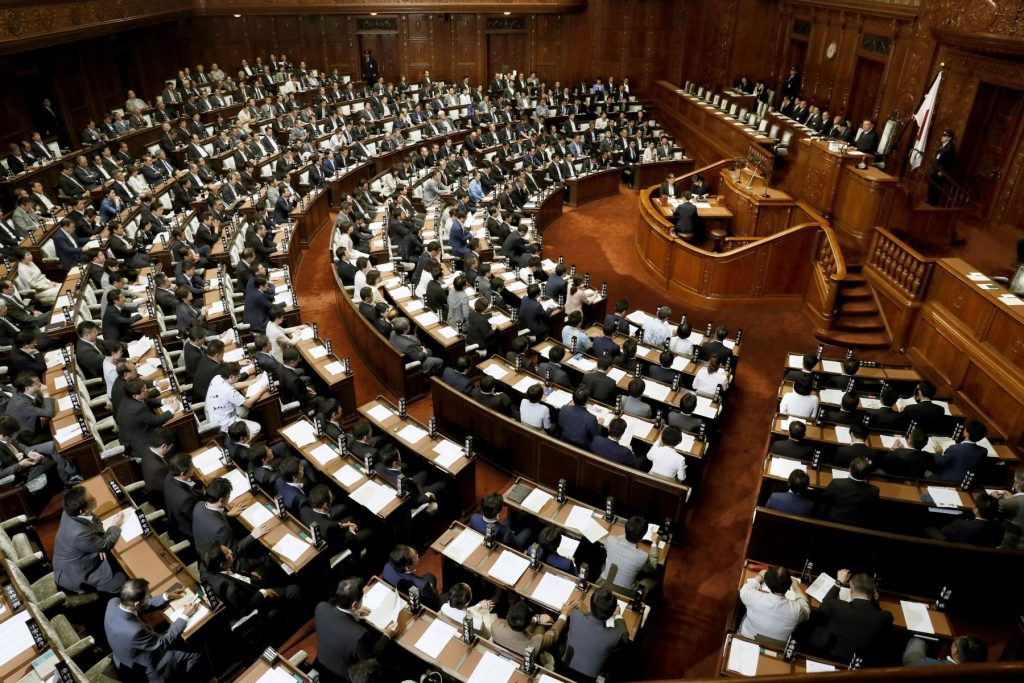
How research worksThe 27th general election of the House of Councillors is scheduled to be held in Japan by July 27, 2025, to elect half of the 248 members of the House of Councillors, the upper house of the National Diet, for a term of six years. This market will resolve to the political party that wins the greatest number of the seats that are contested in this election. If voting in the next Japanese election for the House of Councillors does not occur by December 31, 2025, this market will resolve to "Other". In the case of a tie between a party and any other for the most seats gained, this market will resolve in favor of the party whose listed abbreviation comes first in alphabetical order. If no abbreviation is listed for a party, the name of that party will be used. This market's resolution will be based solely on the number of seats won by the named party or coalition. This market will resolve based on the result of the election as indicated by a consensus of credible reporting. If there is ambiguity, this market will resolve based solely on the official results as reported by Japan's government.
This market is closed. Its historical data remains available.
How research worksThe 27th general election of the House of Councillors is scheduled to be held in Japan by July 27, 2025, to elect half of the 248 members of the House of Councillors, the upper house of the National Diet, for a term of six years. This market will resolve to the political party that wins the greatest number of the seats that are contested in this election. If voting in the next Japanese election for the House of Councillors does not occur by December 31, 2025, this market will resolve to "Other". In the case of a tie between a party and any other for the most seats gained, this market will resolve in favor of the party whose listed abbreviation comes first in alphabetical order. If no abbreviation is listed for a party, the name of that party will be used. This market's resolution will be based solely on the number of seats won by the named party or coalition. This market will resolve based on the result of the election as indicated by a consensus of credible reporting. If there is ambiguity, this market will resolve based solely on the official results as reported by Japan's government.
This market is closed. Its historical data remains available.
How research worksThe 27th general election of the House of Councillors is scheduled to be held in Japan by July 27, 2025, to elect half of the 248 members of the House of Councillors, the upper house of the National Diet, for a term of six years. This market will resolve to the political party that wins the greatest number of the seats that are contested in this election. If voting in the next Japanese election for the House of Councillors does not occur by December 31, 2025, this market will resolve to "Other". In the case of a tie between a party and any other for the most seats gained, this market will resolve in favor of the party whose listed abbreviation comes first in alphabetical order. If no abbreviation is listed for a party, the name of that party will be used. This market's resolution will be based solely on the number of seats won by the named party or coalition. This market will resolve based on the result of the election as indicated by a consensus of credible reporting. If there is ambiguity, this market will resolve based solely on the official results as reported by Japan's government.
This market is closed. Its historical data remains available.
How research worksThe 27th general election of the House of Councillors is scheduled to be held in Japan by July 27, 2025, to elect half of the 248 members of the House of Councillors, the upper house of the National Diet, for a term of six years. This market will resolve to the political party that wins the greatest number of the seats that are contested in this election. If voting in the next Japanese election for the House of Councillors does not occur by December 31, 2025, this market will resolve to "Other". In the case of a tie between a party and any other for the most seats gained, this market will resolve in favor of the party whose listed abbreviation comes first in alphabetical order. If no abbreviation is listed for a party, the name of that party will be used. This market's resolution will be based solely on the number of seats won by the named party or coalition. This market will resolve based on the result of the election as indicated by a consensus of credible reporting. If there is ambiguity, this market will resolve based solely on the official results as reported by Japan's government.
This market is closed. Its historical data remains available.
How research worksThe 27th general election of the House of Councillors is scheduled to be held in Japan by July 27, 2025, to elect half of the 248 members of the House of Councillors, the upper house of the National Diet, for a term of six years. This market will resolve to the political party that wins the greatest number of the seats that are contested in this election. If voting in the next Japanese election for the House of Councillors does not occur by December 31, 2025, this market will resolve to "Other". In the case of a tie between a party and any other for the most seats gained, this market will resolve in favor of the party whose listed abbreviation comes first in alphabetical order. If no abbreviation is listed for a party, the name of that party will be used. This market's resolution will be based solely on the number of seats won by the named party or coalition. This market will resolve based on the result of the election as indicated by a consensus of credible reporting. If there is ambiguity, this market will resolve based solely on the official results as reported by Japan's government.
This market is closed. Its historical data remains available.
How research worksThe 27th general election of the House of Councillors is scheduled to be held in Japan by July 27, 2025, to elect half of the 248 members of the House of Councillors, the upper house of the National Diet, for a term of six years. This market will resolve to the political party that wins the greatest number of the seats that are contested in this election. If voting in the next Japanese election for the House of Councillors does not occur by December 31, 2025, this market will resolve to "Other". In the case of a tie between a party and any other for the most seats gained, this market will resolve in favor of the party whose listed abbreviation comes first in alphabetical order. If no abbreviation is listed for a party, the name of that party will be used. This market's resolution will be based solely on the number of seats won by the named party or coalition. This market will resolve based on the result of the election as indicated by a consensus of credible reporting. If there is ambiguity, this market will resolve based solely on the official results as reported by Japan's government.
This market is closed. Its historical data remains available.
How research worksThe 27th general election of the House of Councillors is scheduled to be held in Japan by July 27, 2025, to elect half of the 248 members of the House of Councillors, the upper house of the National Diet, for a term of six years. This market will resolve to the political party that wins the greatest number of the seats that are contested in this election. If voting in the next Japanese election for the House of Councillors does not occur by December 31, 2025, this market will resolve to "Other". In the case of a tie between a party and any other for the most seats gained, this market will resolve in favor of the party whose listed abbreviation comes first in alphabetical order. If no abbreviation is listed for a party, the name of that party will be used. This market's resolution will be based solely on the number of seats won by the named party or coalition. This market will resolve based on the result of the election as indicated by a consensus of credible reporting. If there is ambiguity, this market will resolve based solely on the official results as reported by Japan's government.
This market is closed. Its historical data remains available.
How research worksThe 27th general election of the House of Councillors is scheduled to be held in Japan by July 27, 2025, to elect half of the 248 members of the House of Councillors, the upper house of the National Diet, for a term of six years. This market will resolve to the political party that wins the greatest number of the seats that are contested in this election. If voting in the next Japanese election for the House of Councillors does not occur by December 31, 2025, this market will resolve to "Other". In the case of a tie between a party and any other for the most seats gained, this market will resolve in favor of the party whose listed abbreviation comes first in alphabetical order. If no abbreviation is listed for a party, the name of that party will be used. This market's resolution will be based solely on the number of seats won by the named party or coalition. This market will resolve based on the result of the election as indicated by a consensus of credible reporting. If there is ambiguity, this market will resolve based solely on the official results as reported by Japan's government.
This market is closed. Its historical data remains available.
How research worksThe 27th general election of the House of Councillors is scheduled to be held in Japan by July 27, 2025, to elect half of the 248 members of the House of Councillors, the upper house of the National Diet, for a term of six years. This market will resolve to the political party that wins the greatest number of the seats that are contested in this election. If voting in the next Japanese election for the House of Councillors does not occur by December 31, 2025, this market will resolve to "Other". In the case of a tie between a party and any other for the most seats gained, this market will resolve in favor of the party whose listed abbreviation comes first in alphabetical order. If no abbreviation is listed for a party, the name of that party will be used. This market's resolution will be based solely on the number of seats won by the named party or coalition. This market will resolve based on the result of the election as indicated by a consensus of credible reporting. If there is ambiguity, this market will resolve based solely on the official results as reported by Japan's government.
This market is closed. Its historical data remains available.
How research worksThe 27th general election of the House of Councillors is scheduled to be held in Japan by July 27, 2025, to elect half of the 248 members of the House of Councillors, the upper house of the National Diet, for a term of six years. This market will resolve to the political party that wins the greatest number of the seats that are contested in this election. If voting in the next Japanese election for the House of Councillors does not occur by December 31, 2025, this market will resolve to "Other". In the case of a tie between a party and any other for the most seats gained, this market will resolve in favor of the party whose listed abbreviation comes first in alphabetical order. If no abbreviation is listed for a party, the name of that party will be used. This market's resolution will be based solely on the number of seats won by the named party or coalition. This market will resolve based on the result of the election as indicated by a consensus of credible reporting. If there is ambiguity, this market will resolve based solely on the official results as reported by Japan's government.
This market is closed. Its historical data remains available.
How research worksThe 27th general election of the House of Councillors is scheduled to be held in Japan by July 27, 2025, to elect half of the 248 members of the House of Councillors, the upper house of the National Diet, for a term of six years. This market will resolve to the political party that wins the greatest number of the seats that are contested in this election. If voting in the next Japanese election for the House of Councillors does not occur by December 31, 2025, this market will resolve to "Other". In the case of a tie between a party and any other for the most seats gained, this market will resolve in favor of the party whose listed abbreviation comes first in alphabetical order. If no abbreviation is listed for a party, the name of that party will be used. This market's resolution will be based solely on the number of seats won by the named party or coalition. This market will resolve based on the result of the election as indicated by a consensus of credible reporting. If there is ambiguity, this market will resolve based solely on the official results as reported by Japan's government.
This market is closed. Its historical data remains available.
How research worksThe 27th general election of the House of Councillors is scheduled to be held in Japan by July 27, 2025, to elect half of the 248 members of the House of Councillors, the upper house of the National Diet, for a term of six years. This market will resolve to the political party that wins the greatest number of the seats that are contested in this election. If voting in the next Japanese election for the House of Councillors does not occur by December 31, 2025, this market will resolve to "Other". In the case of a tie between a party and any other for the most seats gained, this market will resolve in favor of the party whose listed abbreviation comes first in alphabetical order. If no abbreviation is listed for a party, the name of that party will be used. This market's resolution will be based solely on the number of seats won by the named party or coalition. This market will resolve based on the result of the election as indicated by a consensus of credible reporting. If there is ambiguity, this market will resolve based solely on the official results as reported by Japan's government.
This market is closed. Its historical data remains available.
How research worksThe 27th general election of the House of Councillors is scheduled to be held in Japan by July 27, 2025, to elect half of the 248 members of the House of Councillors, the upper house of the National Diet, for a term of six years. This market will resolve to the political party that wins the greatest number of the seats that are contested in this election. If voting in the next Japanese election for the House of Councillors does not occur by December 31, 2025, this market will resolve to "Other". In the case of a tie between a party and any other for the most seats gained, this market will resolve in favor of the party whose listed abbreviation comes first in alphabetical order. If no abbreviation is listed for a party, the name of that party will be used. This market's resolution will be based solely on the number of seats won by the named party or coalition. This market will resolve based on the result of the election as indicated by a consensus of credible reporting. If there is ambiguity, this market will resolve based solely on the official results as reported by Japan's government.
This market is closed. Its historical data remains available.
How research worksThe 27th general election of the House of Councillors is scheduled to be held in Japan by July 27, 2025, to elect half of the 248 members of the House of Councillors, the upper house of the National Diet, for a term of six years. This market will resolve to the political party that wins the greatest number of the seats that are contested in this election. If voting in the next Japanese election for the House of Councillors does not occur by December 31, 2025, this market will resolve to "Other". In the case of a tie between a party and any other for the most seats gained, this market will resolve in favor of the party whose listed abbreviation comes first in alphabetical order. If no abbreviation is listed for a party, the name of that party will be used. This market's resolution will be based solely on the number of seats won by the named party or coalition. This market will resolve based on the result of the election as indicated by a consensus of credible reporting. If there is ambiguity, this market will resolve based solely on the official results as reported by Japan's government.
This market is closed. Its historical data remains available.
How research worksThe 27th general election of the House of Councillors is scheduled to be held in Japan by July 27, 2025, to elect half of the 248 members of the House of Councillors, the upper house of the National Diet, for a term of six years. This market will resolve to the political party that wins the greatest number of the seats that are contested in this election. If voting in the next Japanese election for the House of Councillors does not occur by December 31, 2025, this market will resolve to "Other". In the case of a tie between a party and any other for the most seats gained, this market will resolve in favor of the party whose listed abbreviation comes first in alphabetical order. If no abbreviation is listed for a party, the name of that party will be used. This market's resolution will be based solely on the number of seats won by the named party or coalition. This market will resolve based on the result of the election as indicated by a consensus of credible reporting. If there is ambiguity, this market will resolve based solely on the official results as reported by Japan's government.
This market is closed. Its historical data remains available.
How research worksThe 27th general election of the House of Councillors is scheduled to be held in Japan by July 27, 2025, to elect half of the 248 members of the House of Councillors, the upper house of the National Diet, for a term of six years. This market will resolve to the political party that wins the greatest number of the seats that are contested in this election. If voting in the next Japanese election for the House of Councillors does not occur by December 31, 2025, this market will resolve to "Other". In the case of a tie between a party and any other for the most seats gained, this market will resolve in favor of the party whose listed abbreviation comes first in alphabetical order. If no abbreviation is listed for a party, the name of that party will be used. This market's resolution will be based solely on the number of seats won by the named party or coalition. This market will resolve based on the result of the election as indicated by a consensus of credible reporting. If there is ambiguity, this market will resolve based solely on the official results as reported by Japan's government.
Retrieved 10/4/2026, 8:20:17 AM UTC. Provider data is cached for up to 60 seconds. The upstream quote timestamp can be older.