Loading your workspace…
All markets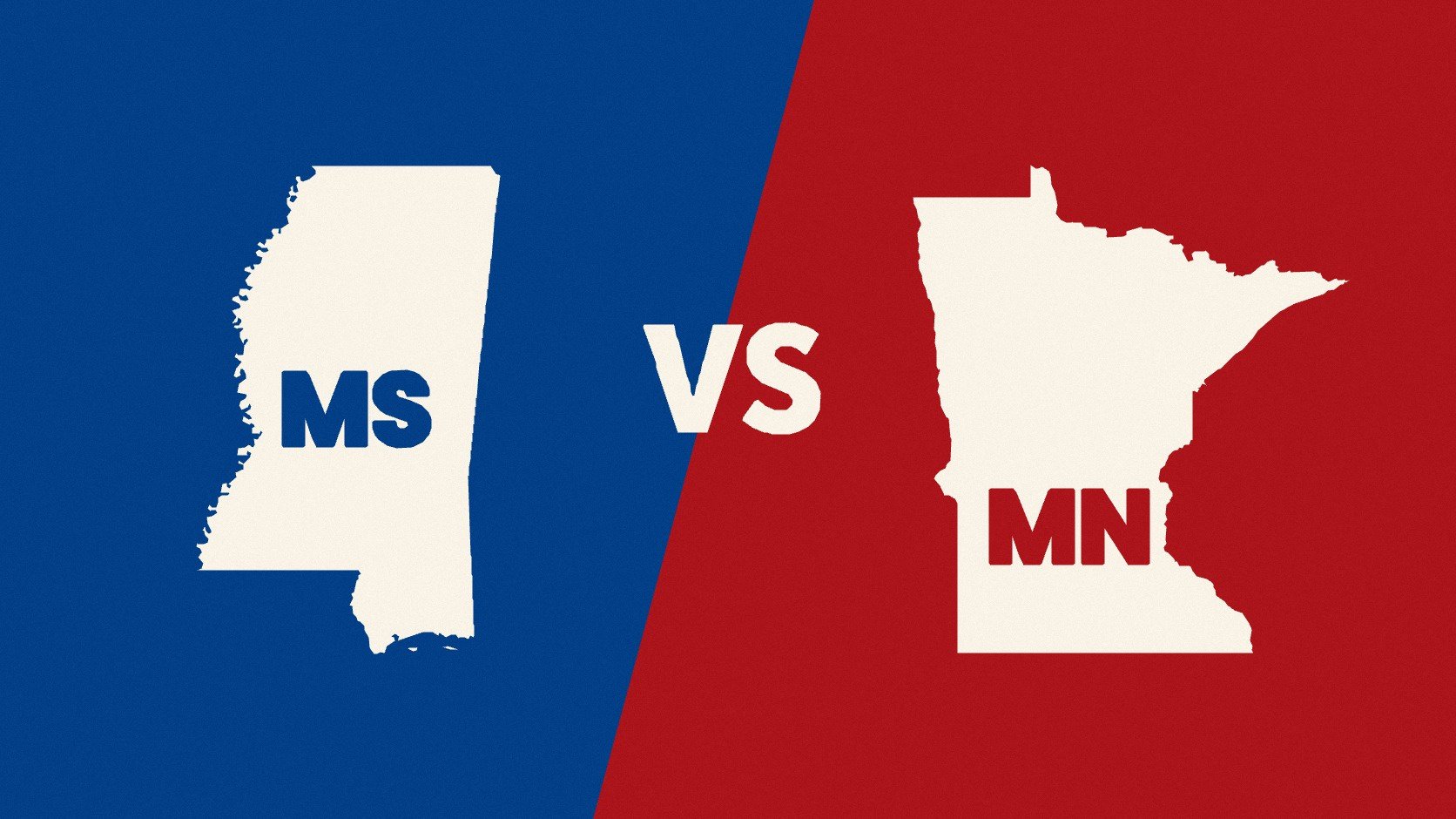
Closer Senate Race: Minnesota or Mississippi?
Foretrace AI research
Understand the odds. Examine the reasoning.
Polymarket shows market prices. Foretrace adds AI probability estimates, opposing evidence and a price-dependent Yes, No or pass decision on eligible markets.
View a sample AI report This event is outside current AI coverage.
24h volumeUnavailable
Total volume$1.2K
Liquidity$198.7
Event end date · UTCNov 4, 2026
Price history
Market probabilityLoading price history…
Polymarket · UTC
Sampled market observations, not AI forecasts. Lines connect available observations. Legend values are current provider quotes; chart points may be older.
Outcomes & resolution rules
1 marketThese are market-implied probabilities, not AI forecasts. A displayed quote may differ from the price available for your order.
Closer Senate Race: Minnesota or Mississippi?Accepting ordersMarket odds73.5%
Closer Senate Race: Minnesota or Mississippi?
Minnesota73.5%Polymarket estimate
Mississippi26.5%Polymarket estimate
- Liquidity
- $198.7
- Deadline · UTC
- Nov 4, 2026
- Minnesota bid / ask
- 57.0¢ / 90.0¢
- Trading fees
- Enabled · verify on Polymarket
AI research not covered
Initial research supports clearly defined Yes/No markets.
Check AI research coverageResolution rules
The 2026 midterm elections are scheduled to be held on November 3, 2026. This market will resolve to "Minnesota" if the regularly-scheduled US Senate race in Minnesota has a smaller unrounded margin of victory than that of the Mississippi Senate election. This market will resolve to "Mississippi" if the regularly-scheduled US Senate race in Mississippi has a smaller unrounded margin of victory than that of the Minnesota Senate election. If both states have the same margin of victory, this market will resolve 50-50. For the purpose of this market, the “margin of victory” is defined as the absolute difference between the percentages of valid votes received by the first- and second-place candidates. Percentages of the valid votes received by each candidate will be determined by dividing the total number of valid votes each of the top two candidates receives by the sum of all valid votes cast in the election. For elections that include runoffs, ranked-choice, or other multi-round elections, the relevant margin of victory will be that of the round in which the winner is determined. In the event that a relevant margin of victory cannot be determined by March 31, 2027, that state's margin of victory will be considered to be 0% for purposes of this market. The resolution source for this market will be a compilation of all of the relevant state election authorities responsible for certifying statewide elections, however, a consensus of credible reporting may also be used.